- Your Business Journey Starts Today — No Money Needed
- What Is a Business? Understanding the Foundation
- Types of Businesses You Can Start With No Investment
- How to Start a Business as a Student: Step-by-Step Blueprint
- Growing Your Business: From Side Hustle to Full-Time Income
- Legal Requirements: Making Your Business Official
- No Investment Business Ideas by Country
- Case Study: From Zero to $5K in 6 Months
- Budget Tips: Maximizing Results Without Spending
- Trending Business Models in 2025
- Common Mistakes to Avoid
- Conclusion: Your Business Starts Now
- Faq
Your Business Journey Starts Today — No Money Needed

Imagine launching your own business without spending a single dollar. Sounds impossible? It’s not. In 2025, thousands of students worldwide are building profitable businesses from their dorm rooms, using nothing but a laptop and creativity.
The biggest myth? That starting a business requires capital. The truth is, you need vision, strategy, and the right knowledge. Whether you’re in Pakistan, the USA, or anywhere globally, this guide reveals how to start, grow, and legalize your business without investment.
Ready to transform your idea into income? Let’s dive in.
What Is a Business? Understanding the Foundation
A business is any activity that provides value in exchange for profit. It could be selling products, offering services, or creating digital content. The core principle: solve a problem, earn money.
Why Students Should Start Now
- Low risk: No loans, no debt
- Flexible schedule: Work around classes
- Skill development: Marketing, sales, communication
- Income generation: Financial independence early
According to Forbes, 72% of successful entrepreneurs started their first venture before age 25. The earlier you begin, the more you learn.
Types of Businesses You Can Start With No Investment
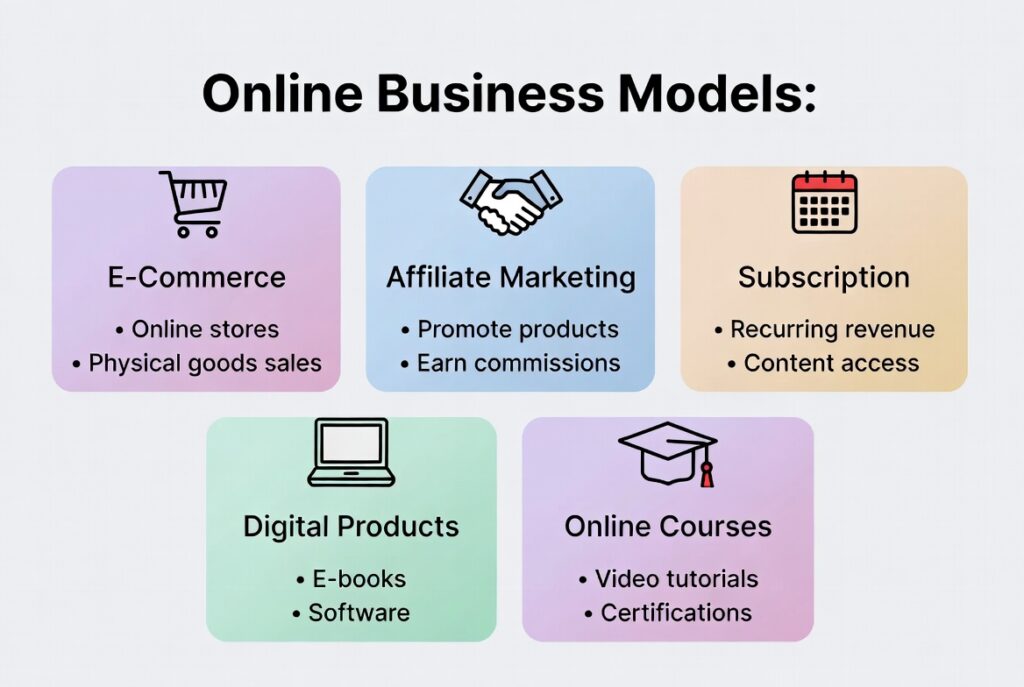
1. Service-Based Businesses
Offer skills you already have:
- Freelance writing (Upwork, Fiverr)
- Graphic design (Canva + clients)
- Social media management
- Virtual assistance
- Tutoring (online or local)
Example: Sarah, a university student in Lahore, started offering resume writing services on Fiverr. Within 3 months, she earned $2,000 — zero upfront cost.
2. Digital Products
Create once, sell forever:
- E-books (Amazon KDP)
- Printables (Etsy)
- Online courses (Teachable)
- Templates (Notion, Canva)
3. Affiliate Marketing
Promote products, earn commissions. No inventory needed. Platforms like Amazon Associates and ClickBank pay you for referrals.
4. Content Creation
Start a YouTube channel, blog, or podcast. Monetize through ads, sponsorships, and affiliate links. Entrepreneur reports that micro-influencers earn $500–$5,000 monthly.
5. Dropshipping & Print-on-Demand
Sell products without holding stock. Use Printful or Teespring to create custom merchandise. Customers pay upfront; you fulfill later.
How to Start a Business as a Student: Step-by-Step Blueprint
Step 1: Identify Your Niche
What problems can you solve? What skills do you enjoy? Research demand using:
- Google Trends
- Reddit communities
- Quora questions
Step 2: Validate Your Idea
Before building anything, test demand:
- Post on social media asking if people need your service
- Create a landing page with email signup
- Offer a free sample to gather feedback
Step 3: Build Your Online Presence
- Website: Use WordPress.com (free)
- Social media: Instagram, LinkedIn, TikTok
- Portfolio: Behance, Dribbble, Medium
Step 4: Leverage Free Tools
- Design: Canva, GIMP
- Project management: Trello, Notion
- Email marketing: Mailchimp (free tier)
- SEO: Google Search Console, Ubersuggest
Step 5: Network and Collaborate
Join student entrepreneur groups on Facebook and LinkedIn. Attend virtual webinars. Partnerships accelerate growth.
Step 6: Start Selling
Use free platforms:
- Fiverr and Upwork for services
- Etsy for digital products
- Facebook Marketplace for local sales
Growing Your Business: From Side Hustle to Full-Time Income
1. Content Marketing
Publish valuable content consistently. Blog posts, videos, and infographics attract organic traffic. SEO helps you rank on Google for free.
2. Email List Building
Collect emails from day one. Offer a free resource in exchange. Email marketing has 4,200% ROI according to HubSpot.
3. Upselling and Cross-Selling
Once you have customers, offer premium services or complementary products. Increase average transaction value.
4. Automation
Use tools like Zapier to automate tasks. Save time, scale faster.
5. Customer Testimonials
Social proof builds trust. Request reviews and showcase them prominently.
Legal Requirements: Making Your Business Official
In Pakistan
- Sole Proprietorship: No registration needed for small-scale
- Register with SECP: For formal business structure
- NTN Registration: Tax purposes (mandatory if earning above threshold)
- Sales Tax: Required for certain services
In the USA
- DBA (Doing Business As): Register business name
- EIN: Employer Identification Number (free from IRS)
- Business License: City/state requirements vary
- Tax ID: For reporting income
International Business
- Use PayPal or Payoneer for global payments
- Register on Upwork Global or Fiverr International
- Comply with local tax laws (consult an accountant)
Pro tip: Start informal, grow formal. Many students begin earning before registering legally. Consult a local advisor when scaling.
No Investment Business Ideas by Country
Pakistan
- Online tutoring (high demand for O/A Levels)
- Content writing in Urdu/English
- Social media management for local brands
USA
- Virtual assistant services
- Dropshipping (Shopify + AliExpress)
- Podcast consulting
India
- Freelance coding (Toptal, Upwork)
- YouTube channel (tech reviews, education)
- Handmade crafts (Etsy)
Global
- Affiliate marketing
- Print-on-demand
- Digital product sales
Case Study: From Zero to $5K in 6 Months
Name: Ali (student, Karachi)
Business: Freelance graphic design
Investment: $0
Strategy: Built portfolio on Behance, networked on LinkedIn, pitched 50 clients
Result: $5,000 in 6 months, 20+ returning clients
Key takeaway: Consistency + quality + outreach = success.
Budget Tips: Maximizing Results Without Spending
- Use free trials: Canva Pro, Grammarly Premium (30 days)
- Barter services: Trade skills with other entrepreneurs
- DIY everything: Learn YouTube tutorials
- Reinvest profits: Once earning, upgrade tools
- Join student programs: GitHub Student Pack, Microsoft Imagine
Trending Business Models in 2025
- AI-powered services (ChatGPT consultancy, AI art)
- Sustainability consulting (eco-friendly business advice)
- Personal branding coaching
- Micro-SaaS (small software solutions)
- Niche newsletters (Substack, Beehiiv)
Harvard Business Review highlights that micro-businesses are the fastest-growing segment in 2025.
Common Mistakes to Avoid
- Waiting for perfection: Launch fast, improve later
- Ignoring marketing: Great product + no visibility = zero sales
- Not tracking finances: Use free tools like Wave
- Giving up too soon: Most businesses fail because founders quit early
- Overcomplicating: Start simple, scale gradually
Conclusion: Your Business Starts Now
You’ve learned what a business is, explored types you can start without investment, mastered the step-by-step process, and discovered legal requirements for Pakistan and globally. You’re equipped with growth strategies, country-specific ideas, and real case studies.
The only thing left? Action.
Start today. Choose one idea. Spend 30 minutes. Build your first offering. Post it online. The world is waiting for your solution.
💬 What business will YOU start this week? Comment below and let’s build together!
🔗 Share this guide with a friend who needs to see this.
Faq
Yes. Service-based businesses and digital products require no upfront cost. Use free platforms and tools to launch.
Most students earn their first dollar within 1–3 months. Consistency and quality accelerate results.
Not always. Start earning first, then formalize as you scale. Check local regulations.
Failure is learning. Most successful entrepreneurs failed multiple times. Pivot, adapt, keep going.
Absolutely. Start with 5–10 hours weekly. Many students balance both successfully.
Freelancing or content creation. Low barrier to entry, high learning curve.